Anyone looking back a few years at DMK sees a company in the middle of digital transformation. The starting signal came in 2018, when the first digital strategy was created – with a clear focus on new opportunities and on how digital solutions could generate real added value.
The mymilk pioneer
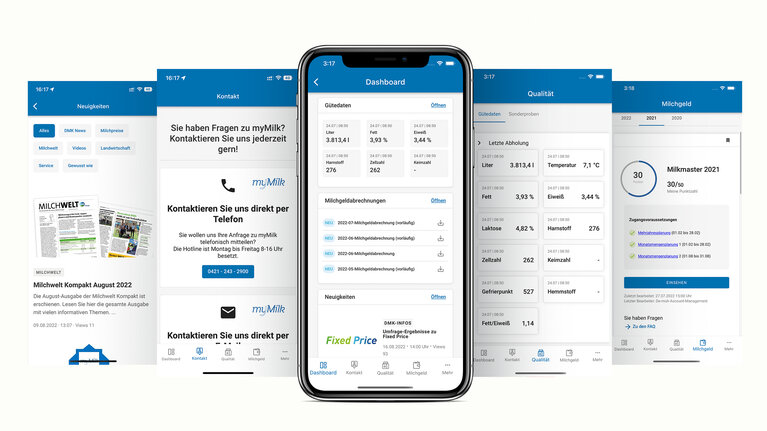
From the very beginning, the focus was not primarily on tools or digital workplaces. Instead, the emphasis was strategic. “Digitalisation is not a sprint, it’s a marathon,” says David Reinhardt, Head of Digital Innovation at DMK Group. Projects such as the mymilk platform show how DMK initially approached digitalisation: as an opportunity to create new services for farmers and expand business models. Through the online portal mymilk, farmers can instantly access all quality data relating to the milk they supply. This enables them to adjust feed for their cows more quickly and more precisely. At the same time, DMK began working with agile methods such as Scrum for the first time. Early machine-learning approaches also emerged – often experimental, with steep learning curves along the way.
Building a new foundation
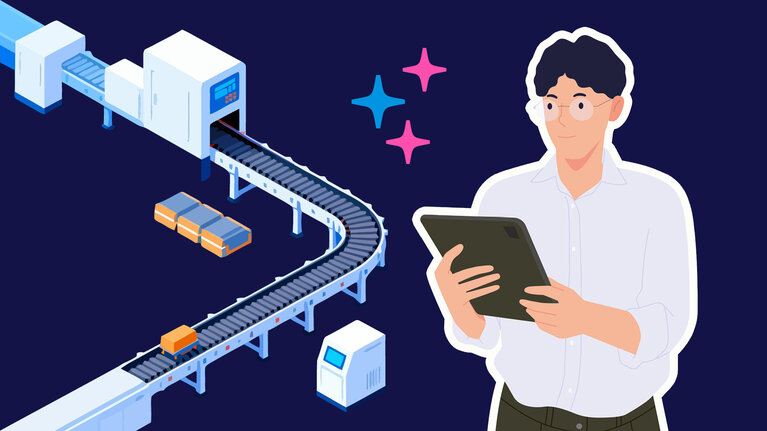
At the same time, a second development was taking place. With the launch of the The Base project in 2019, DMK began standardising IT systems across its plants. The goal was to harmonise previously fragmented systems, infrastructure and software while bringing decentralised plant IT structures closer together. “The Base” defined the direction for everything that followed: Wi-Fi infrastructure, standardised systems such as production-control optimisation software, and clear technological standards became the foundation for future developments. Without that groundwork, modern digitalisation in production simply would not have been possible. The IT strategy Evolution.Now added greater structure to the transformation process. At the same time, digitalisation and IT were more closely integrated – a step many companies have not taken in the same way. For DMK, it was a logical move: as a food producer, competitive advantages increasingly come from more efficient processes and smoother operations.
The pandemic as a digitalisation booster
The Covid-19 pandemic gave digital transformation another major push through hybrid working between home and office environments. The rapid rollout of Microsoft Teams ensured business continuity during lockdowns and distancing measures. The tool quickly became standard and permanently changed the day-to-day working environment. Over the past three years, DMK has accelerated implementation further through initiatives such as the Digitalisation Playbook and the strategic digitalisation programme Discovery. The umbrella programme Discovery stands for the introduction of artificial intelligence and a “digital DNA” mindset. It creates the framework for testing new approaches, exploring possibilities and preparing long-term solutions.
The Smart Factory takes shape
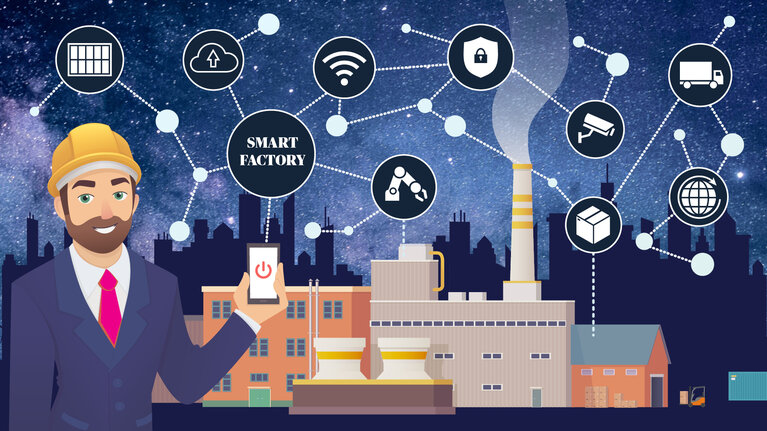
One of the key building blocks is the Smart Factory initiative. At the Edewecht site, DMK is developing a flagship project for digital production. New technologies are tested there under real operating conditions, data is systematically collected and applications are developed that can later be transferred to other plants. The approach is deliberately pragmatic: first understand, then scale. One example is predictive maintenance for production equipment. Sensors collect data while AI models are trained to detect irregularities at an early stage. The implementation demonstrates how demanding this path can be – especially during ongoing operations.
AI as support
Artificial intelligence is playing an increasingly important role.
In production, AI applications are still being tested. In administrative areas, however, they are already more firmly established. Tools such as Microsoft Copilot support employees and demonstrate how AI can deliver tangible efficiency gains. Copilot can, for example, draft emails, create presentations and organise meetings. The result: less administrative workload and significantly more time for other tasks. At the same time, interest in AI within the company is growing noticeably – including at management level.
A digital DNA
At DMK, digitalisation is not intended to be perceived as a temporary IT project, but as a natural part of everyday working life. This is where the concept of “digital DNA” comes in. It acts as a shared framework designed to help employees become familiar with digital opportunities: using new tools, rethinking workflows and questioning established habits. Managers play a particularly important role by setting an example through digital ways of working, encouraging learning and creating room for experimentation. Feedback is just as important as shared knowledge and new ideas for practical applications – regardless of whether they come from employees or management.