TIGER sounds like strength and attack. What does it stand for?
It is the name of our group-wide continuous improvement programme. Our aim is to get a little better every day – not through spectacular large-scale projects, but through many small, smart steps. TIGER is less a toolbox and more a mindset. We give our employees the freedom to take responsibility, tackle problems and not only allow change, but actively drive it themselves.
Why did DMK need a programme like this?
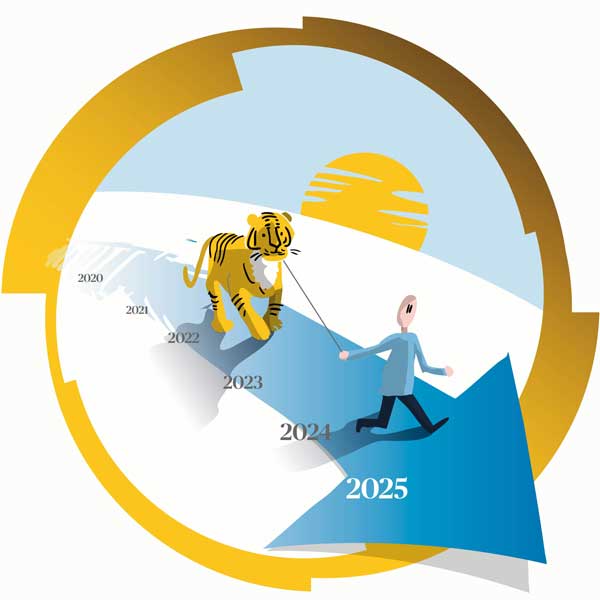
Because the world is changing rapidly. As a large player, we cannot rely on size automatically meaning agility. That is why we launched TIGER in 2020 – to underpin our Vision 2030 with a culture based on personal responsibility, transparency and solution-oriented thinking. TIGER provides the structures that help us bundle talents, skills and ideas. It is the foundation for a cultural transformation that will last. Our guiding principle is: “Stay hungry” – stay hungry for development.
What does shopfloor management mean at DMK – and why is it so central to TIGER?
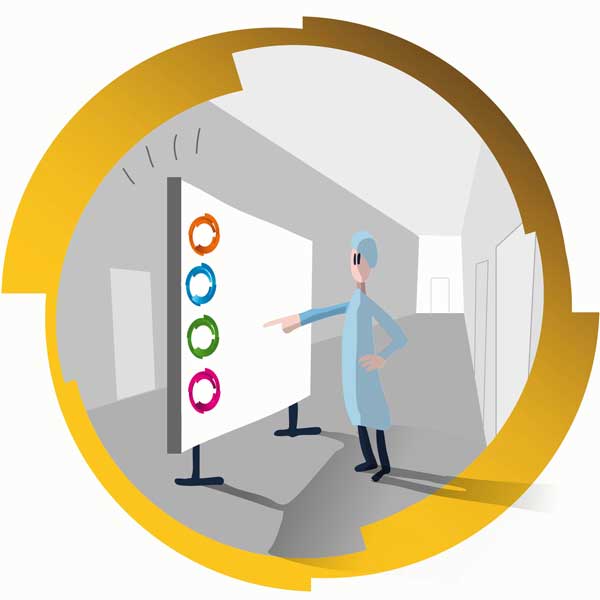
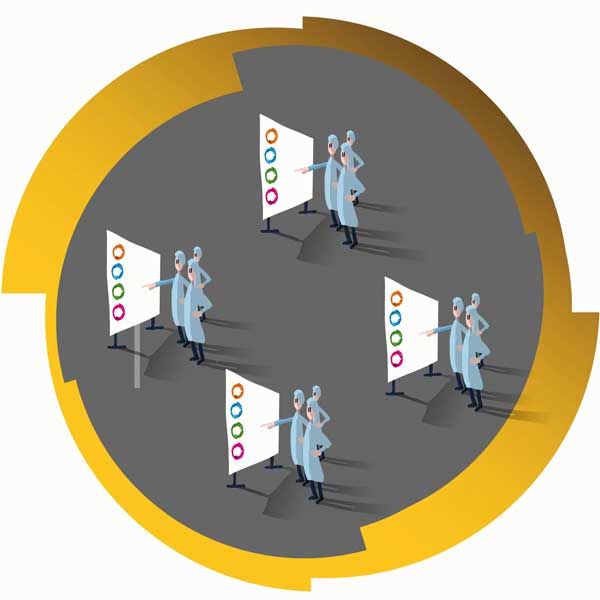
Because it is the key to smooth and efficient workflows – not only in production, but also in office environments. It is about identifying issues directly on site, developing solutions together and strengthening communication within teams. Our shopfloor boards make challenges visible, support goal tracking and promote ownership.
”As a large player, we cannot rely on size automatically meaning agility.”

Multipliers play an important role in the TIGER programme. What do they do – and why are they so important?
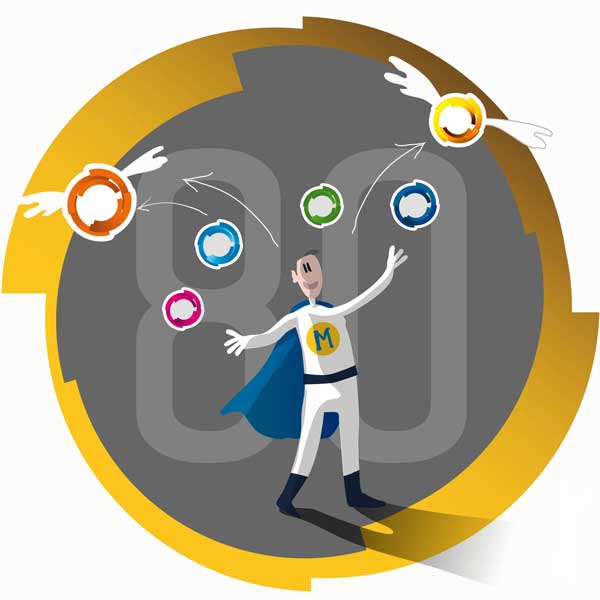
Our multipliers, internally known as “Multis”, are key to TIGER’s success. They undergo dedicated training to deepen their methodological expertise in continuous improvement. They then actively bring this knowledge into their teams, support colleagues in applying shopfloor management and other CI methods, and drive improvements locally. There are now around 80 multipliers in administrative areas alone – a strong network that sustainably anchors cultural change at DMK. Particularly valuable is the fact that Multis come from very different departments, fostering exchange and development across the entire organisation. Because the concept has proven so successful, we are now introducing Multis in the plants as well – a pilot project is currently underway at the Zeven site.
What sets TIGER’s empowerment concept apart from traditional training?
Our concepts for introducing new CI methods are developed by the community itself. In so-called method sprints, CI engineers and CI managers work in interdisciplinary teams on key topics. This results in training programmes, standards and materials that truly fit our day-to-day operations – practical and immediately applicable. The knowledge is then rolled out across the organisation and continuously developed further.
How do these method sprints work in practice?
Twice a year, all CI engineers and CI managers come together for intensive working weeks. New methods are further developed and adapted specifically for DMK. Everyone can contribute, share experiences and learn from one another. This not only strengthens methodological competence, but also reinforces cohesion within the CI community.
Another topic within TIGER is business process management. What is behind this?
For us, it is a central lever for translating continuous improvement into practice. We look at end-to-end processes across the company – from the first to the last interface. This is particularly important in view of a potential merger: it allows us to place processes side by side, compare them and integrate them cleanly. It helps create transparency, avoid duplication and leverage synergies.
What is your conclusion after the first years of TIGER?
It has fundamentally changed the way we work. The greatest gain is the cultural shift: employees take responsibility, contribute ideas and drive improvements themselves. With methods such as shopfloor management, business process management and method sprints, we are very well positioned to remain flexible and successful in the future.
Efficiency Workshop TIGER – Taking Stock
The “TIGER” programme stands for continuous improvement at DMK. Launched in 2020 as an initiative in production plants, TIGER is now an integral part of the corporate culture – both on the shopfloor and in office environments.
Key milestones:
2020: TIGER launches in the first plants
2022: TIGER expands to office environments
2024: 100% shopfloor management in plants in Germany and the Netherlands
2025: Awareness training for all employees in administrative areas
2026: TIGER firmly embedded in the corporate culture