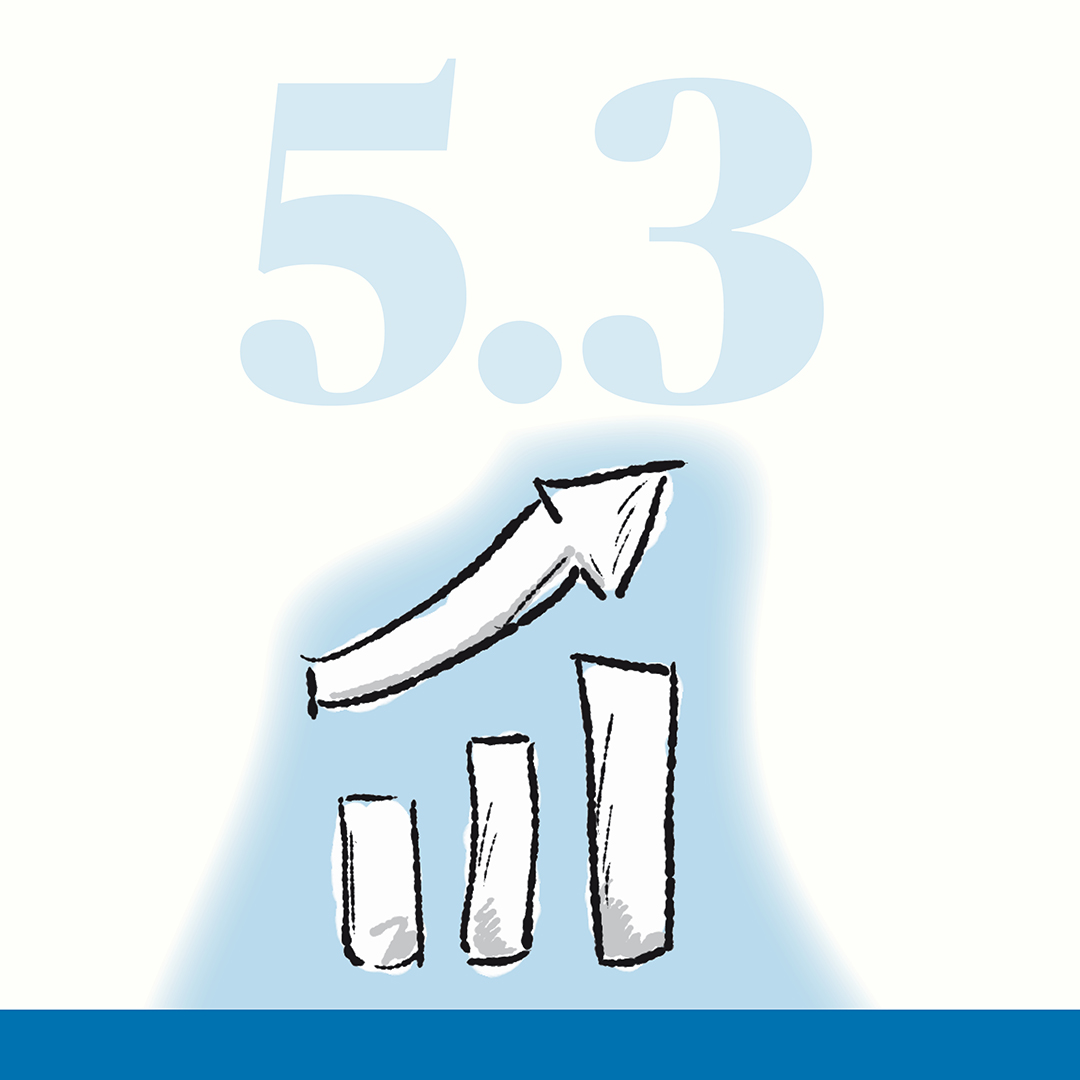
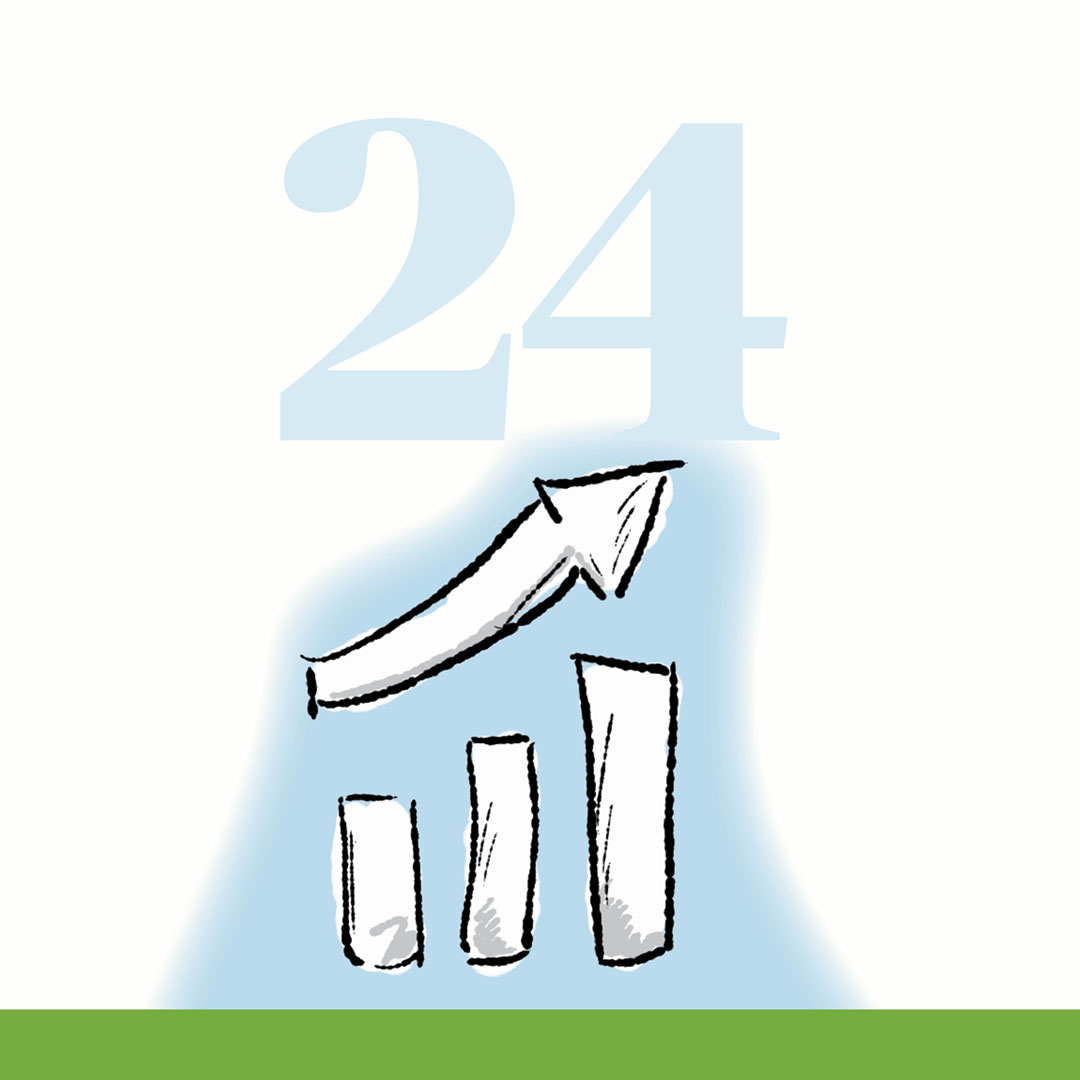
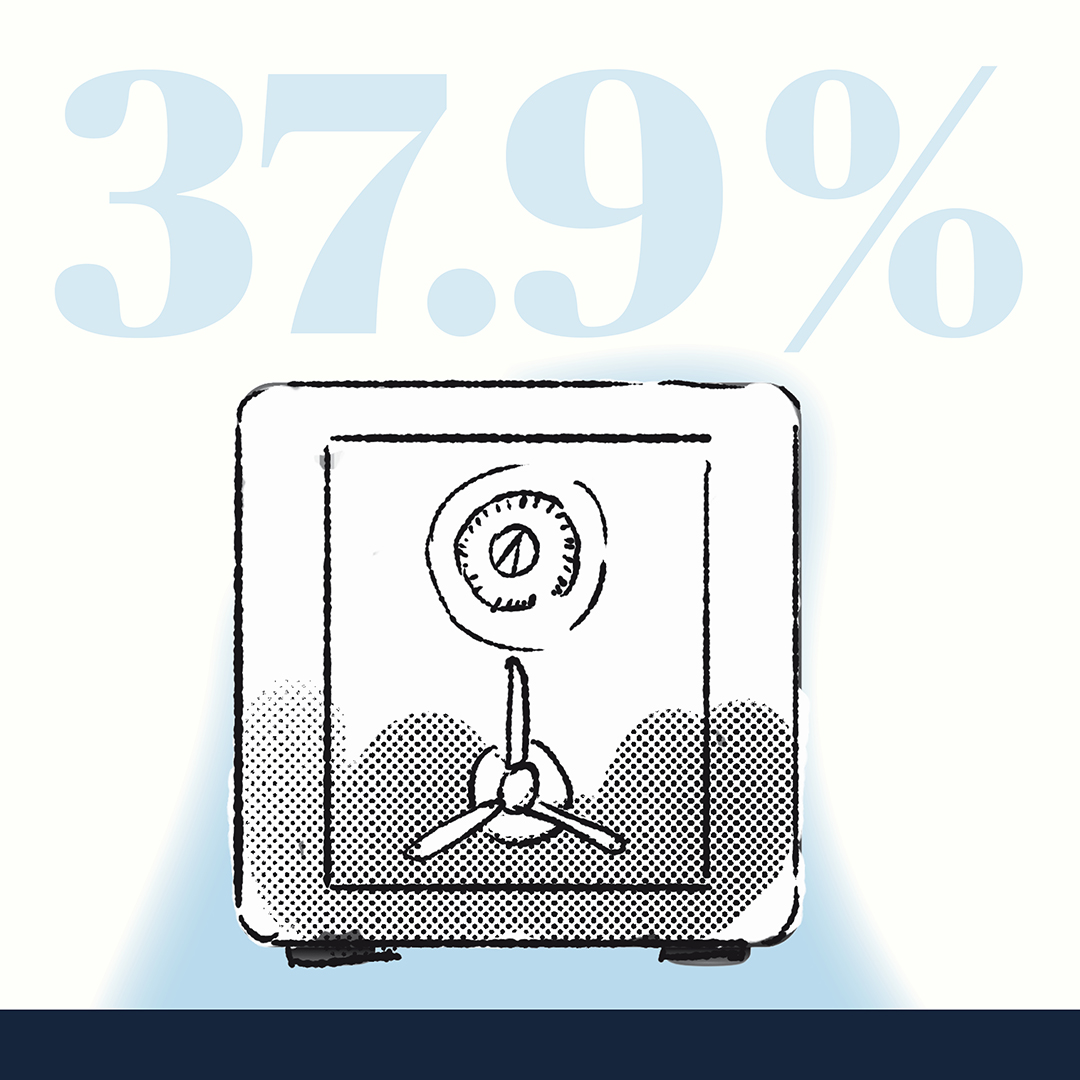
Milk stands for everyday life, reliability and routine. Yet it is often precisely in industries considered predictable that the biggest transformations take place. DMK Group’s preliminary business figures for 2025 show just how dynamic an established company can become. Germany’s largest dairy cooperative has not only delivered a strong year - it has also demonstrated that even a traditional industry can move at speed. Following a successful 2024, the company has accelerated further. Revenue increased to 5.3 euro billion, net profit remained stable at 24 million euro and the equity ratio rose to 37.9 per cent. These are figures that look impressive on paper. But what matters more is what they represent: DMK remains capable of acting decisively in a highly demanding environment.
Consistent growth
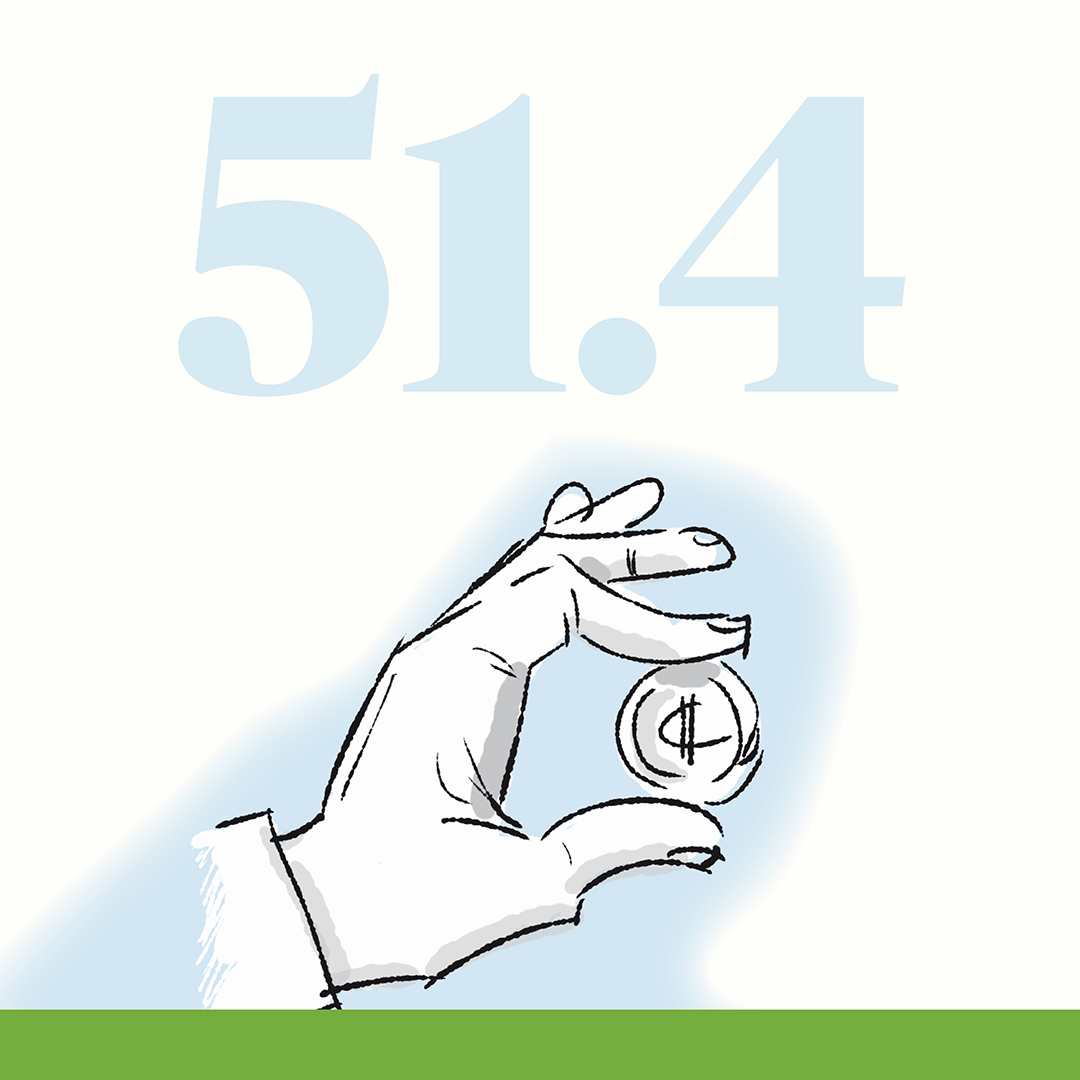
That was anything but easy. High costs, volatile markets, geopolitical uncertainty and increasing competitive pressure have placed the food industry under constant strain for years. Companies that continue growing under these conditions do not do so by chance. And for a cooperative, the balance sheet is never the only thing that matters. What truly counts is what reaches the members. For farmers, the decisive figure is the milk payout price. And here, DMK is sending a strong signal: with an average milk payout of 51.4 cents per kilogram, including bonuses, the company ranked among the market’s top payers in 2025. Behind every cent are farms, families, investments and decisions about the future. Can a new barn be built? Is modern technology worth investing in? Will the farm remain competitive? For many farmers, far more than the monthly balance sheet depends on these questions. While others preferred caution during uncertain times, DMK continued investing. A new natural cheese warehouse is being built in Hoogeveen, while capacities have been expanded in Edewecht and Altentreptow. These are not glamorous prestige projects. They are solid infrastructure investments - precisely the kind of decisions that later make the difference.
Ambitious goals remain
The company is also continuing to push forward on sustainability. Lower emissions across the supply chain, significant reductions within its own operations and ambitious targets for 2030 all form part of the strategy. For an industry so closely connected to agriculture and natural cycles, that is no small task. But it is clearly the direction in which the market is moving. And then there is the topic overshadowing everything else: the planned merger with Arla Foods. If approved as expected in 2026, it would create a new European heavyweight in the dairy industry. Two major cooperatives. Combined strengths. Greater reach. Increased market power. More opportunities. 2026 is unlikely to become an easy year either. Markets remain nervous, milk volumes stay high and the global environment continues to be unpredictable. But DMK enters the year with momentum. Companies entering a partnership from a position of stability always have stronger prospects than those forced to reorganise from weakness.
Figures for 2025