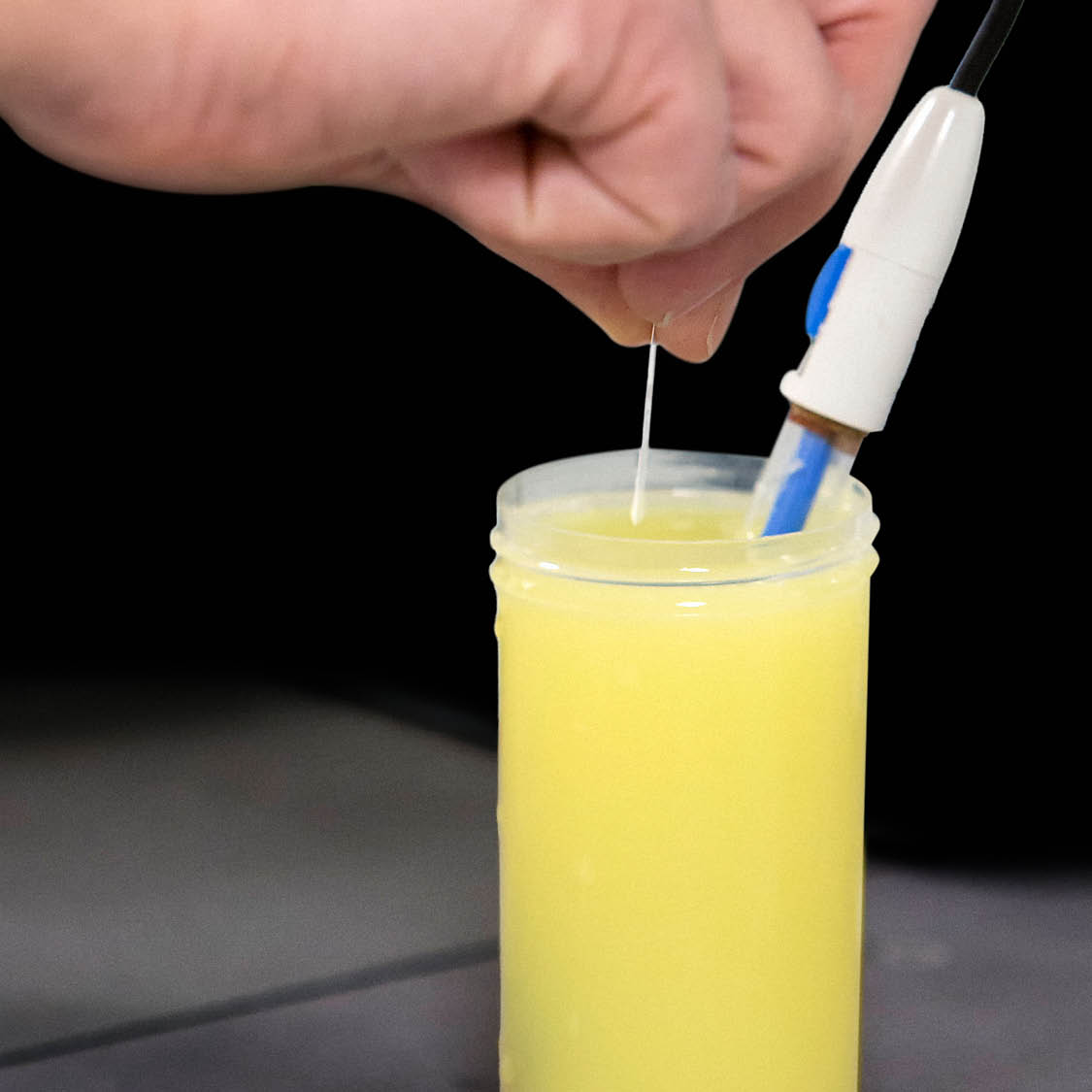
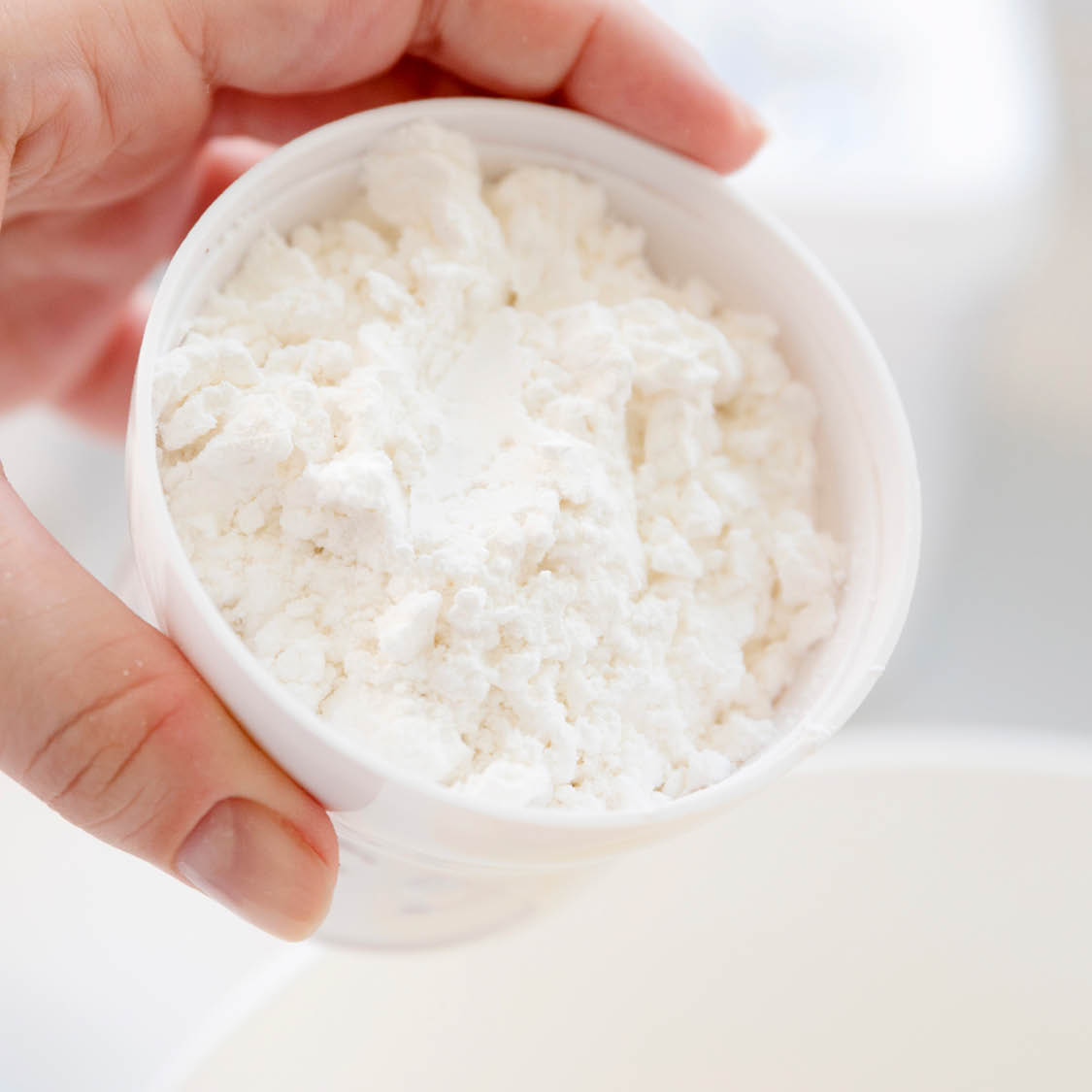
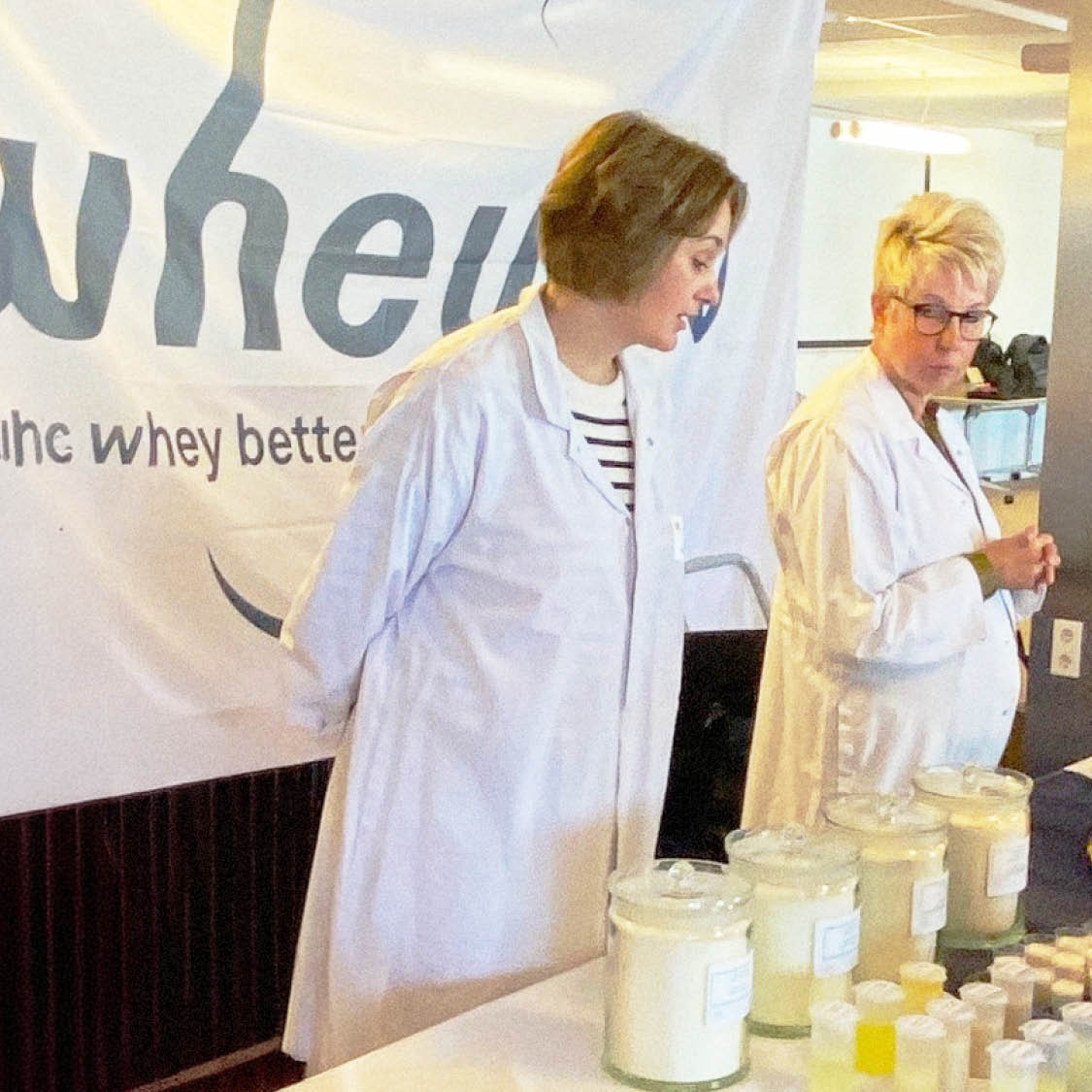
Whey is what remains behind. Huge quantities are produced every single day – impossible to ignore. For a long time, this by-product of cheese production was seen primarily as a logistical problem. At DMK, the response was different: why not turn it into one of the world’s most sought-after ingredients?
When the Altentreptow plant opened in 2004, one thing was already clear: whey was never meant to become a pure volume business. From the outset, the aim was to develop functional ingredients for industrial customers – tailored, specification-driven and application-oriented. What sounded ambitious back then has long since become measurable reality – and is now approaching its biggest step yet.
Altentreptow, 2004.
The story dates back to 2004, when the Mopro Nord project was launched through a partnership between Humana and Nordmilch – the predecessor of wheyco, today’s DMK subsidiary for speciality ingredients. From the very beginning, the business operated in the B2B and ingredients sector: whey proteins, lactose and permeate for the food industry – a market traditionally shaped by price pressure and volatility.
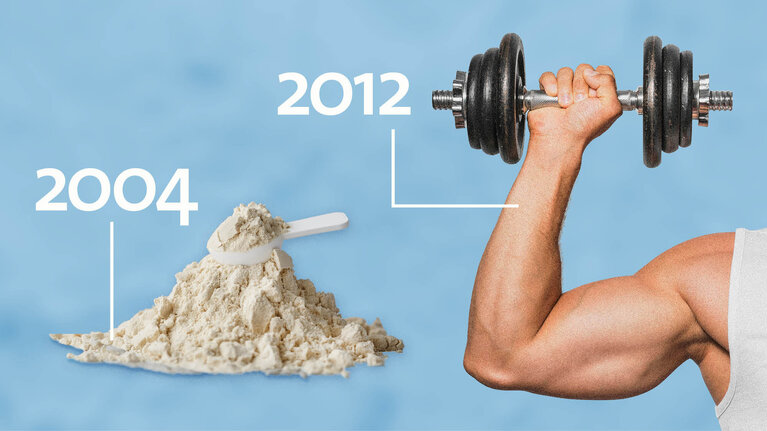
At the same time, the company continuously worked on functional protein solutions to make whey suitable for higher-value applications. In 2012, highly concentrated whey protein was added to the portfolio – and soon found its breakthrough in sports nutrition.
Growth through functionality
As global demand for protein increased, the whey business became significantly more important. The focus remained firmly on functionality: whey proteins should not be interchangeable commodities, but ingredients with clearly defined technological properties - heat stability, for example, or specific gelling behaviour. This differentiation strengthened the company’s market position and contributed to long-term profitable growth.
The turning point
In 2017, DMK made a strategic decision. The whey business was fundamentally repositioned across the group: sales and marketing capabilities were strengthened and shareholdings reorganised. Most importantly, the portfolio shifted towards less volatile, more highly regulated markets with greater added value. Simple protein concentrates gave way to highly purified isolates and bioactive substances – ingredients specifically designed to interact with biological functions in the human body. The most important of them: lactoferrin.
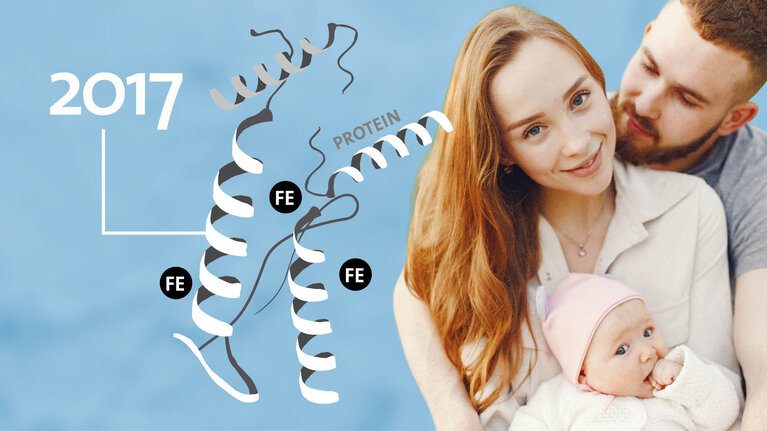
The super substance
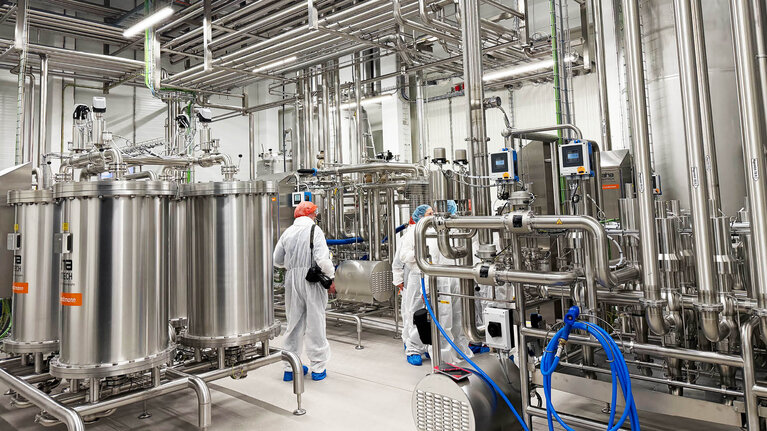
Lactoferrin had already been under discussion since 2013. The concept was revisited multiple times before it became clear that this was precisely where the future of the whey business lay. With lactoferrin, DMK is now building on expertise developed over many years: protein separation, product safety, stable specifications and experience in regulated markets. The primary focus is on Early Life Nutrition – a market where quality, traceability and reliability are absolutely essential. China, for example, applies strict state regulations: at least 95 per cent purity, proven biological activity and microbiological standards at pharmaceutical grade.
Clear facts
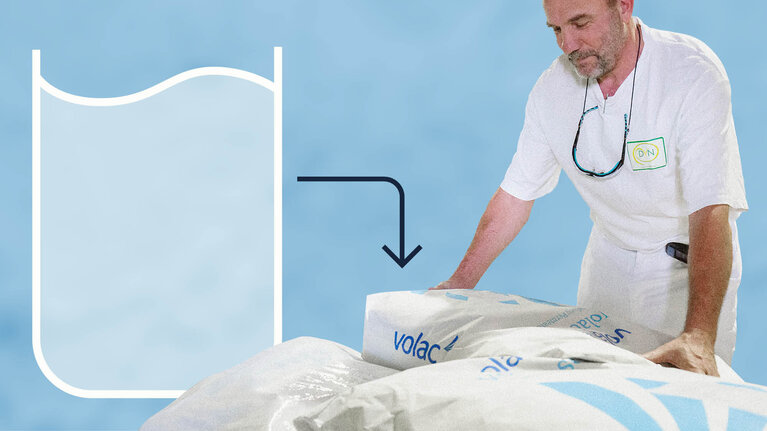
DMK meets these requirements with its new facility in Altentreptow, designed to secure an estimated global market share of around four per cent. To produce high-quality lactoferrin powder, several hundred thousand litres of skimmed milk are processed every single day. The current world market price stands at more than 600 US dollars per kilogram. Commissioning of the facility has already begun, while the market launch of the finished powder is planned for autumn 2026.